What this means for your hiring and workforce reporting
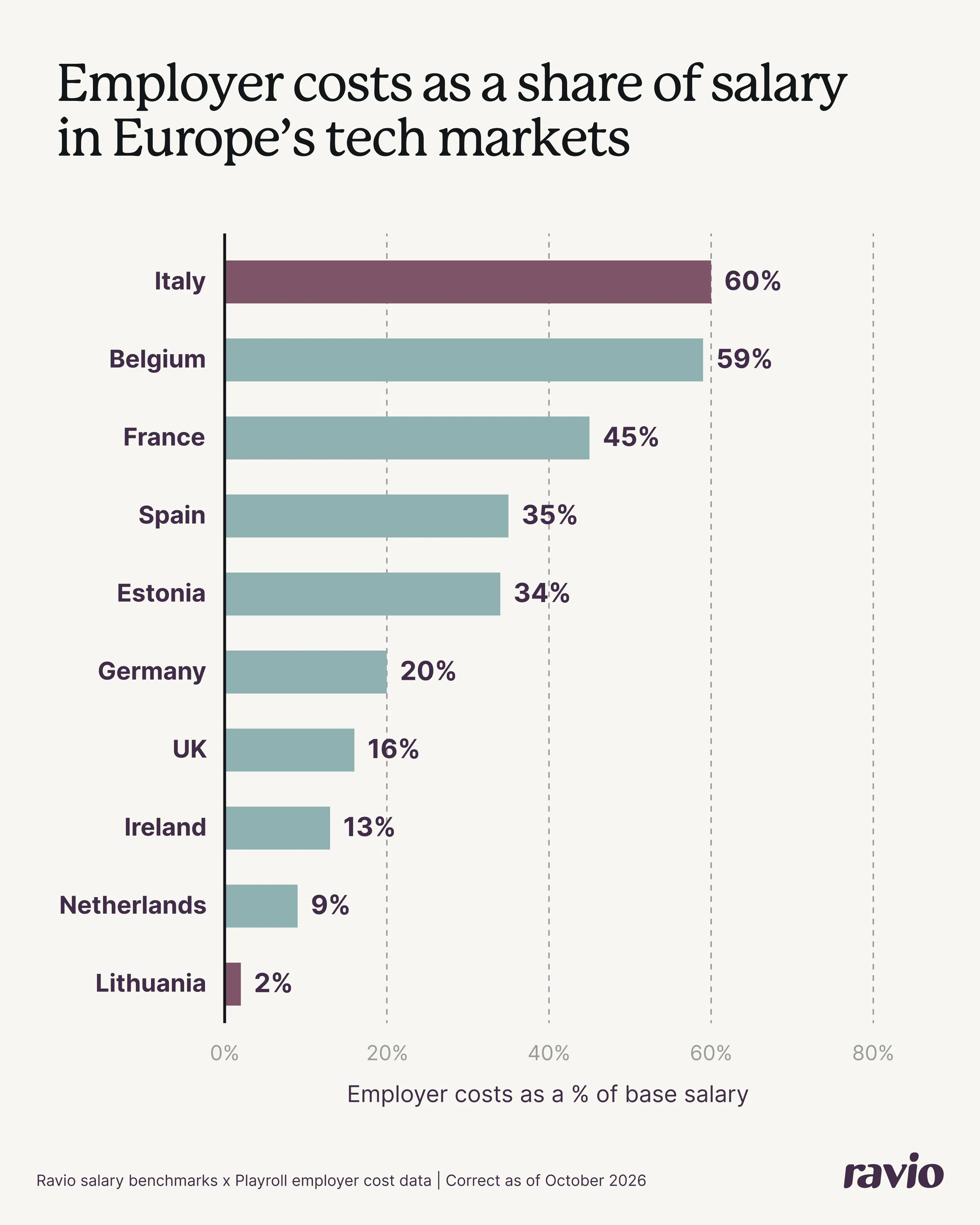
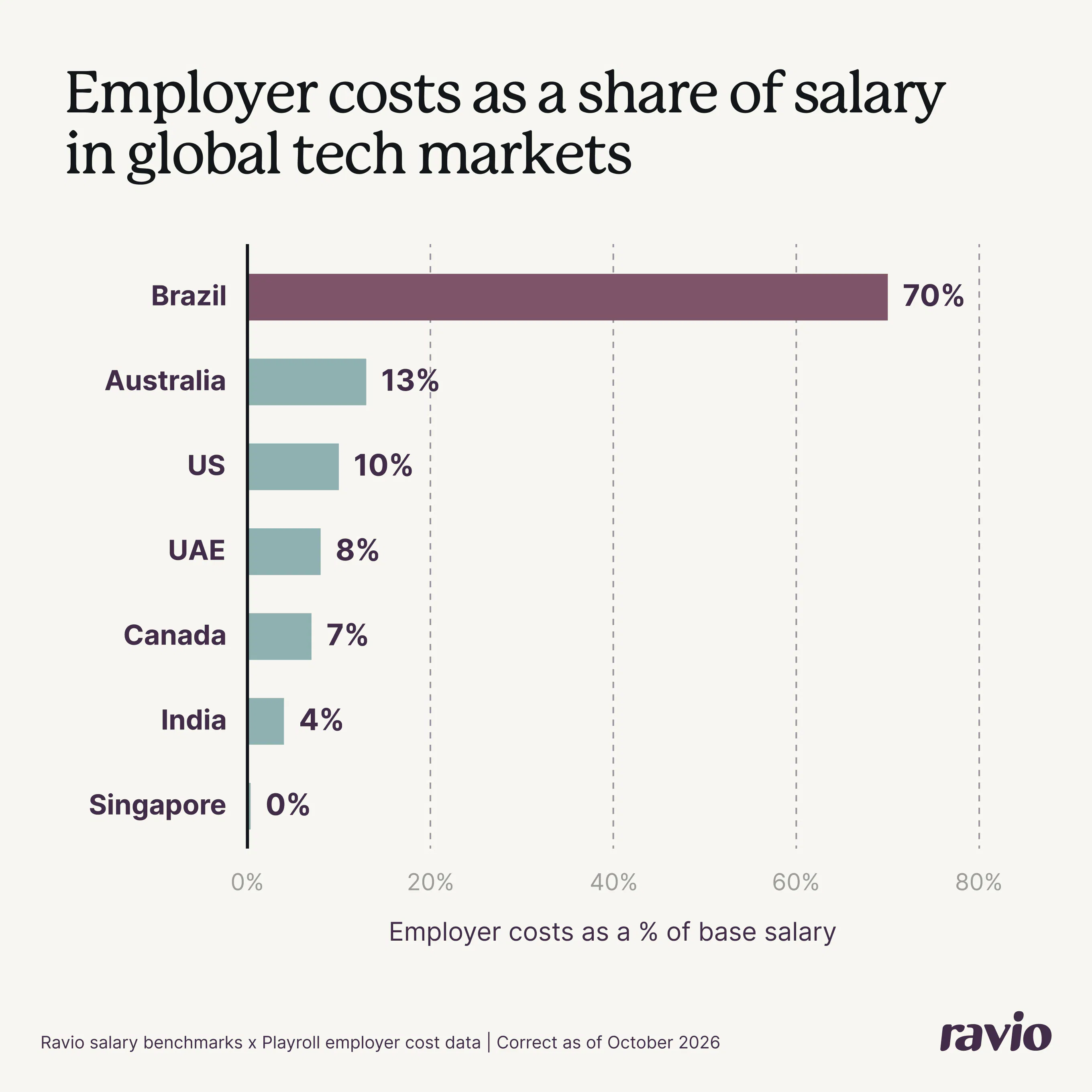
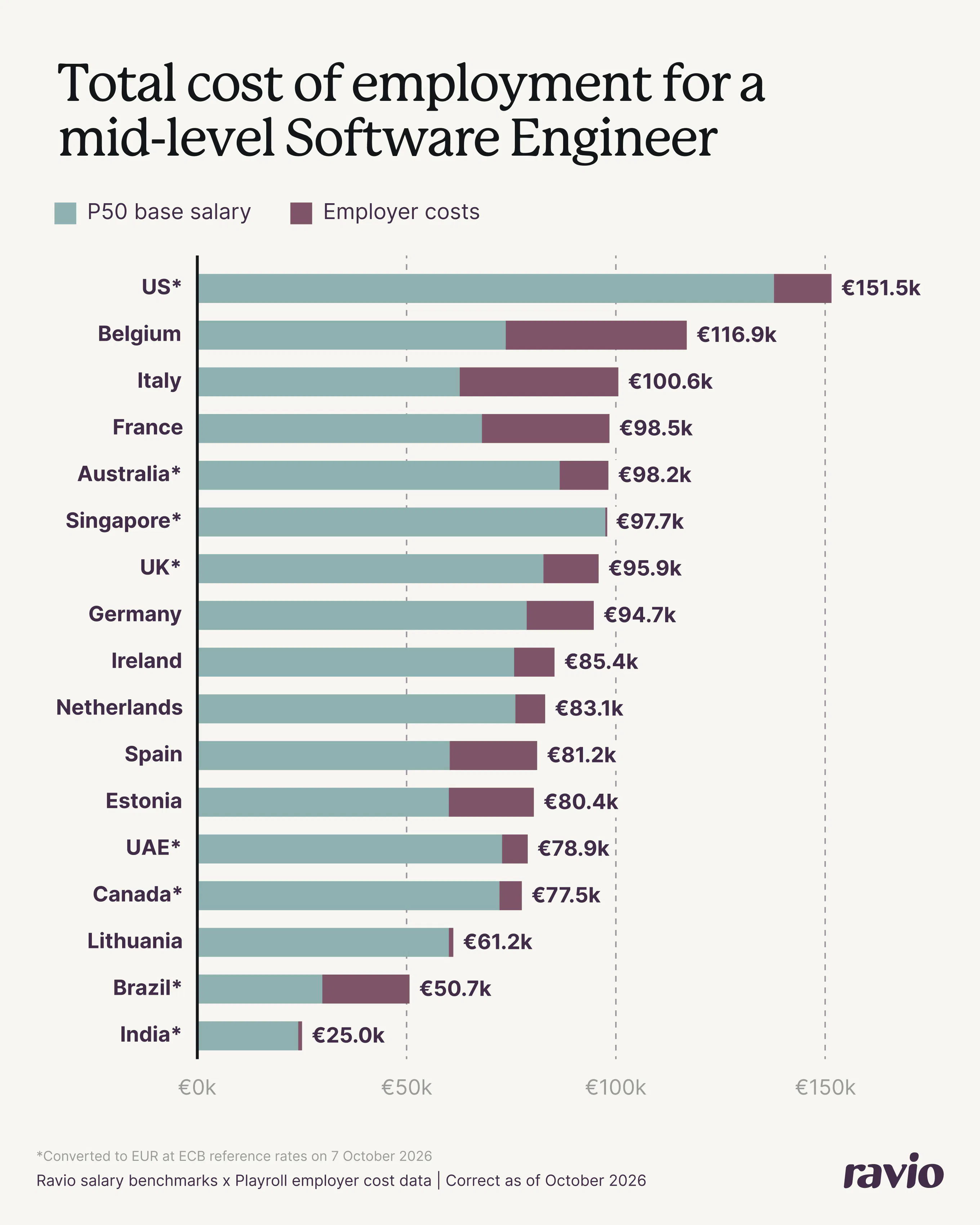
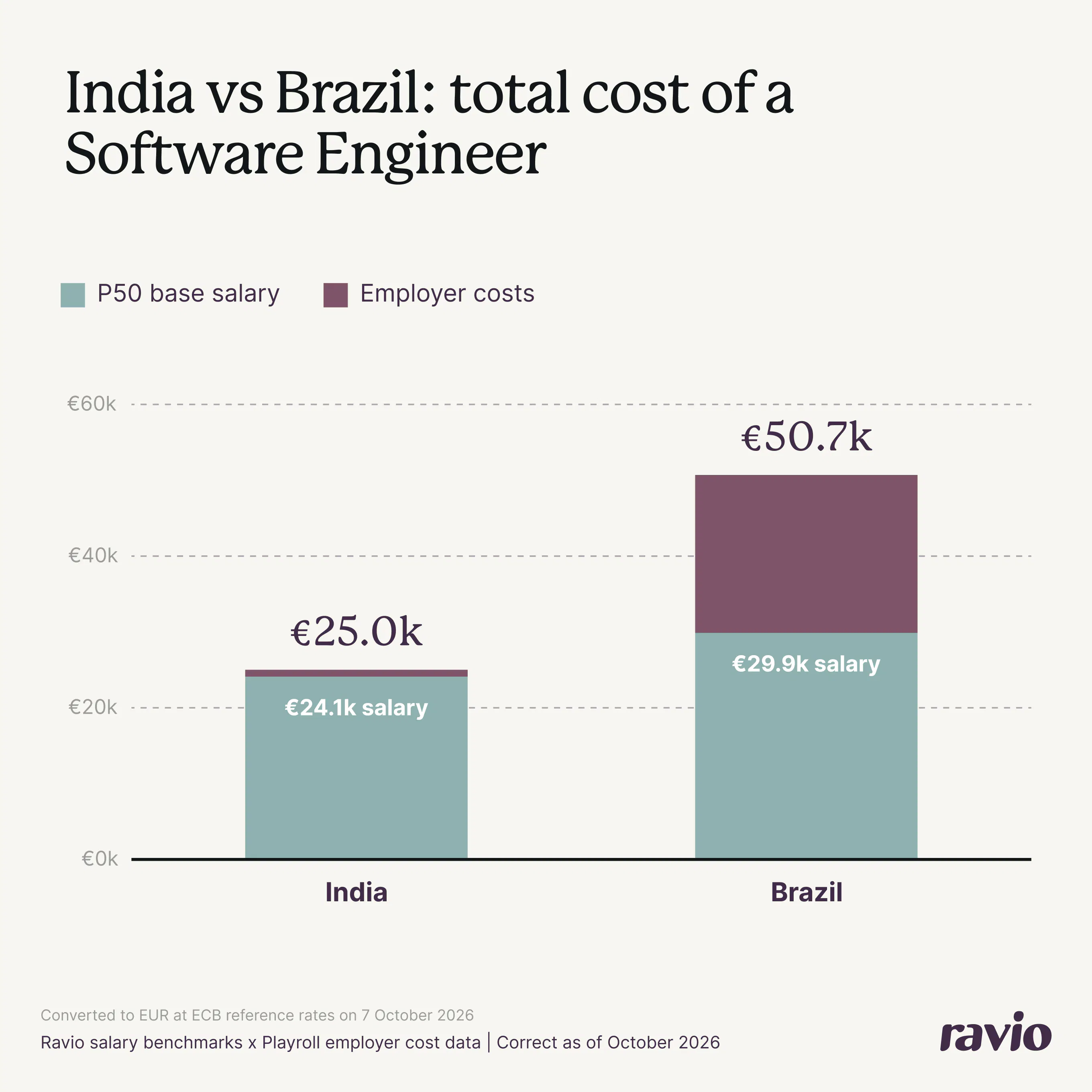
Across the markets we’ve analysed, the most expensive places to hire on salary aren’t always the most expensive places to employ.
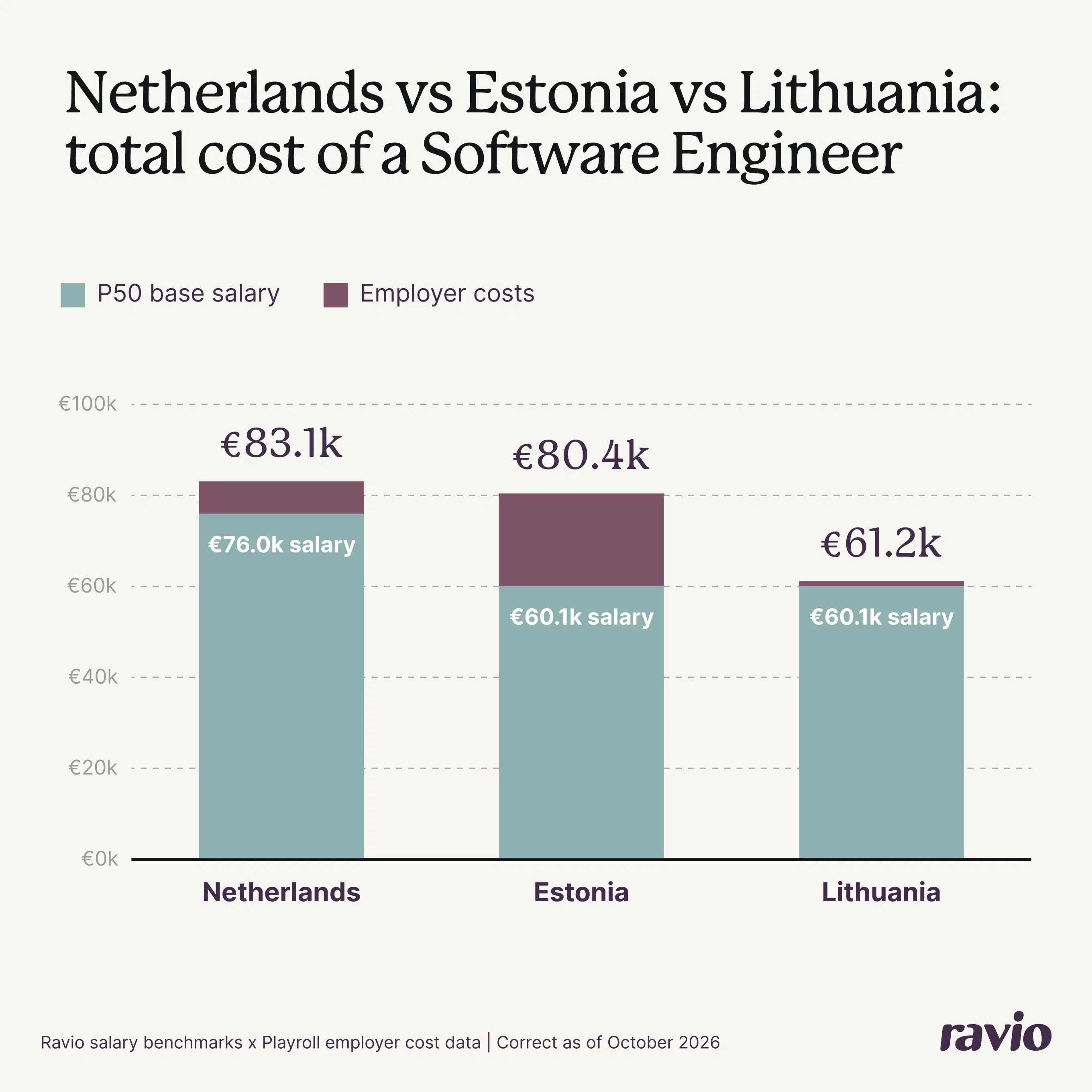
Belgium, Italy, and France all cost more than the UK, Germany, and the Netherlands once employer costs are added, even though they pay less.
If you’re building the business case for a new hiring location, or reporting on the cost of your workforce, that gap can quickly add up to an inaccurate view.
So what should a full total cost of employment view include? Here are four tips from Megan:
Build it country by country
For Megan, the starting point is simple.
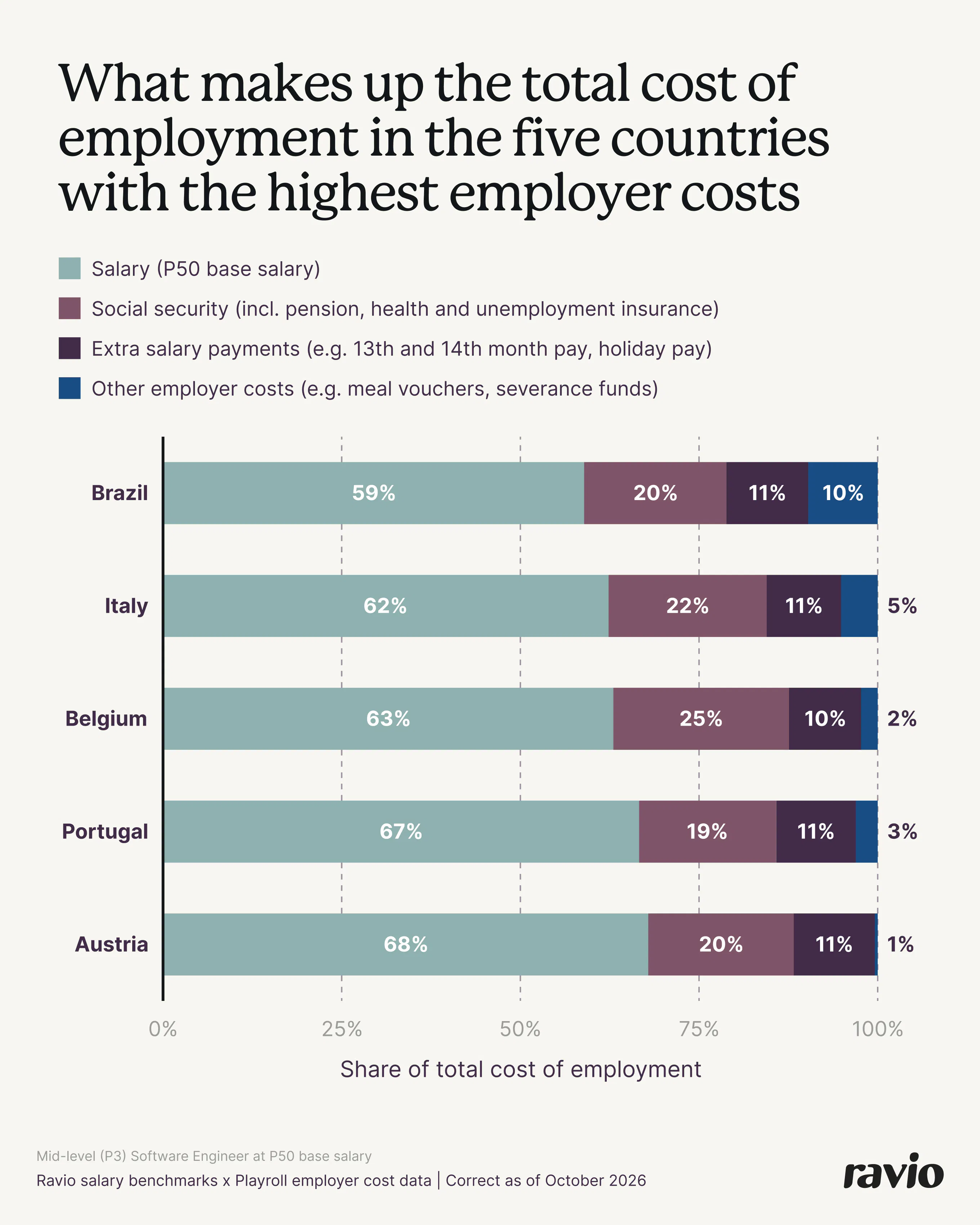
“Start with the basics: gross salary plus the employer’s statutory contributions,” she says. “Depending on the country, that covers social security, pension, unemployment insurance, health insurance, and accident insurance.”
The difficulty is doing that accurately for every market you hire in. Megan has seen plenty of larger teams asked by their CFO for the full cost of a workforce spread across several countries.
“Don’t try to be an expert in every country yourself,” she advises. “At Playroll, we have analysts who specialise in specific territories. They either get quotes from local providers or build the costings internally, so every figure reflects how that country actually works. That’s what gives a CFO numbers they can rely on, rather than a spreadsheet of salaries with a flat percentage added on top.”
Look beyond the statutory costs
Our figures exclude voluntary benefits, but in many markets, those aren’t really optional if you want to hire – and typical benefits also differ significantly per market.
“Salary is only the starting point,” says Megan. “We look at which benefits are mandatory in that market and which ones are expected to stay competitive.”
And remember that those benefits can also move with the exchange rate. “Benefits like private medical insurance or pension top-ups are often billed in US dollars, depending on the provider, so your costs move with the exchange rate,” Megan explains.
Check how the role is paid
We’ve used a salaried, full-time Software Engineer as our example, but the maths on total cost can change depending on type of role.
“Some countries also set minimum contributions, which means a part-time or hourly hire can cost you almost as much as a full-time, higher-earning one,” says Megan.
“Variable pay catches people out too. In some markets, bonuses and commissions are taxed at a different rate to base salary, so a commission-heavy sales role can end up far more expensive than the base salary suggests.”
Factor in how you hire
If you’re entering a new market without a local entity, the hiring route adds its own costs.
“If you’re hiring through an Employer of Record, include the service fee, plus the currency conversion margin if your provider charges one,” says Megan. “Also find out whether the country charges VAT on EOR fees. Some do, and that pushes the total up noticeably – companies often budget for the fee and forget the tax on top.”
The same goes for who you’re hiring.
“We also check work eligibility early,” Megan adds. “If the person needs a visa or work permit, that adds cost and time, and it can change whether the hire makes sense at all.”
Finally, to wrap things up, Megan’s advice for anyone building their first total cost of employment view is: “Look past the salary. The gap between what you pay someone and what it actually costs to employ them can be bigger than you’d think, and it comes from contributions, accruals, benefits and fees that aren’t on the offer letter. Map those out country by country before you commit to a location, not after the first invoice arrives.”